
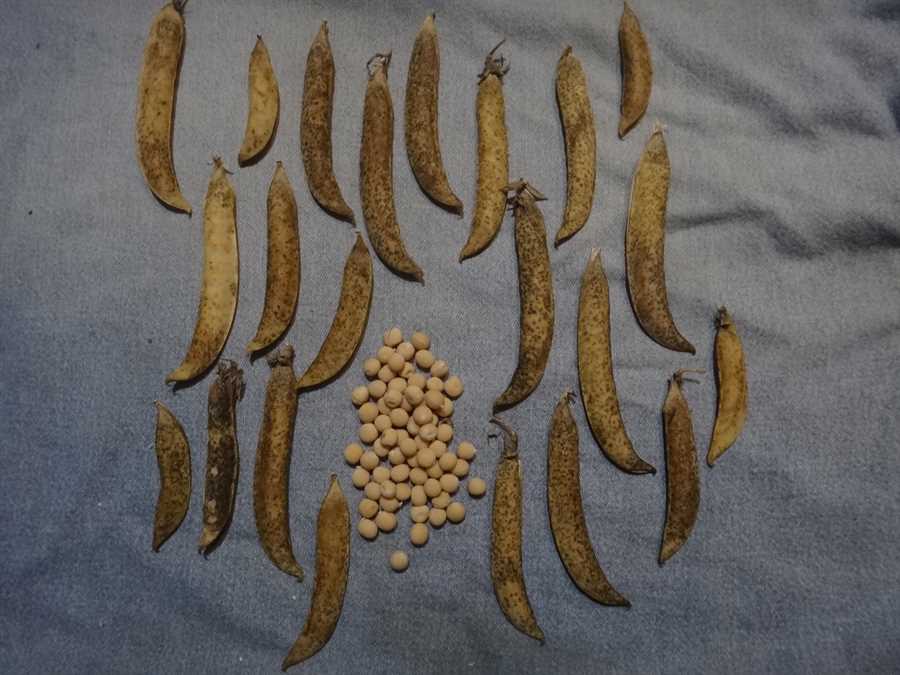
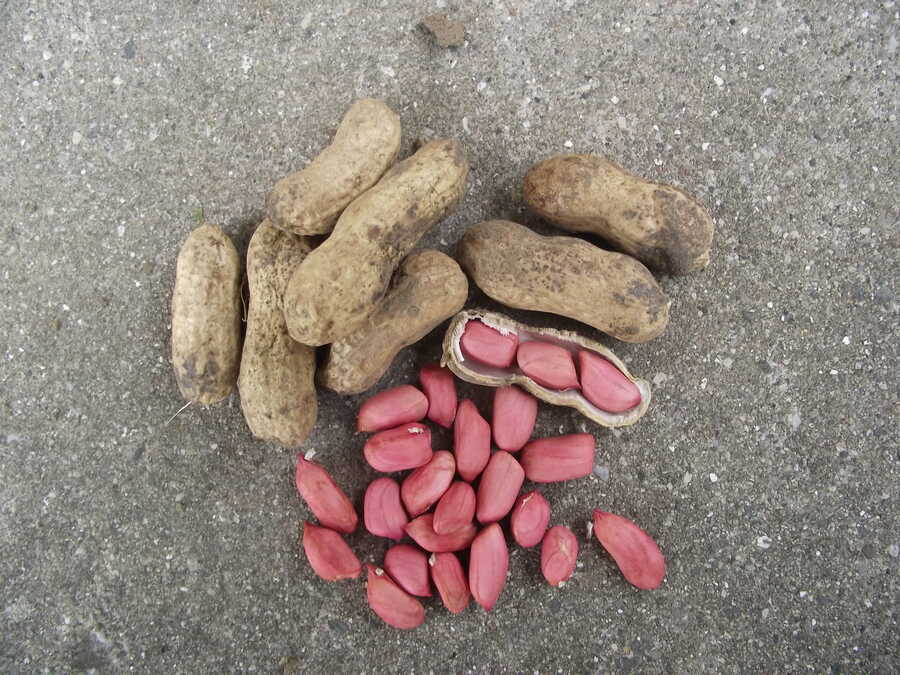


Little August peanut
$4.00
(Arachis hypogaea)
The earliest peanut I have grown or heard of. White-skinned seeds are small, about half the size of regular peanuts, but powerfully flavourful. A bit of sleuthing turns up a fascinating pedigree. I received seed from John Sherck of Bristol, Indiana. He received seed from Nat Bradford. David S. Shields, Carolina Distinguished Professor of English Language and Literature at the University of South Carolina, is an enthusiastic researcher and promoter of traditional Southern cuisine. On his Substack, Foodlore & More, I read:
On November 17 [2022] I collected germ plasm from the seed freezer of Carold Wicker of Prosperity SC. This 83-year old gardener can no longer plant because of progressive loss of vision and the viability of his seed was therefore in peril. Farmer and seed saver Nat Bradford was present as we reviewed the contents of a freezer full of seed. Wicker collected seeds for beans, watermelons, okra, collards, corn, and field peas. There were many exceedingly rare items in the mix, including the extinct Early Frame Pea, the Lane Heading Collard, the Suber Watermelon, and the peanuts listed below. All of the seeds will be added to Clemson University’s Heirloom Seed Collection, under the auspices of the SC Crop Improvement Association. There they will join the Bradshaw Collection of Heirlooms…
Wicker 25 Little August Peanut. Arachis hypogaea v Little August. A unique peanut maintained by the Richardson family with the size and seed configuration of the Carolina African, yet with a more compact growth habit. It was a quick flowering, and quick pegging plant. If you planted on August 1 you will always have a peanut crop before frost in November.
Of course in Ontario that growing schedule doesn’t work. I plant at the very end of May and harvest the day after frost kills the plants in the fall.
Note: Peanuts are not happy as far north as I am. They really need more heat and a longer growing season, and would be happier with a lighter soil. This is a marginal crop that we grow for novelty (and a deep love of peanuts!). Following other seed growers’ recommendations, we send you your peanuts in the shell, because their germination remains higher that way. This means we can’t check inside the shells for seeds, and because our conditions are so marginal we sometimes have unfilled pods. However, we will personally rattle each pod before shipping, to do our best to only send you good seeds!
25 seeds/packet.
In stock
Peanuts flower above ground, then grow “pegs” down into the ground, so the pods form underground. Plant in late May/early June, 3-4” apart in rows 12-18” apart (2 rows in a 3’ bed). Peanuts need loamy to sandy soil so they can get their pegs underground, and all the heat they can get. When frost kills plants in the fall, dig them up carefully with a fork, shake off soil and hang them in bunches to dry and cure for 2-3 weeks in some place where animals and birds cannot get at them. Cure pods for another two months spread on trays in the house. Can then be eaten raw, sprouted, or roasted; can also be eaten fresh in the fall like edamame.