


Sutherland kale
Price range: $4.00 through $10.00
(Brassica oleracea OR B. napus)
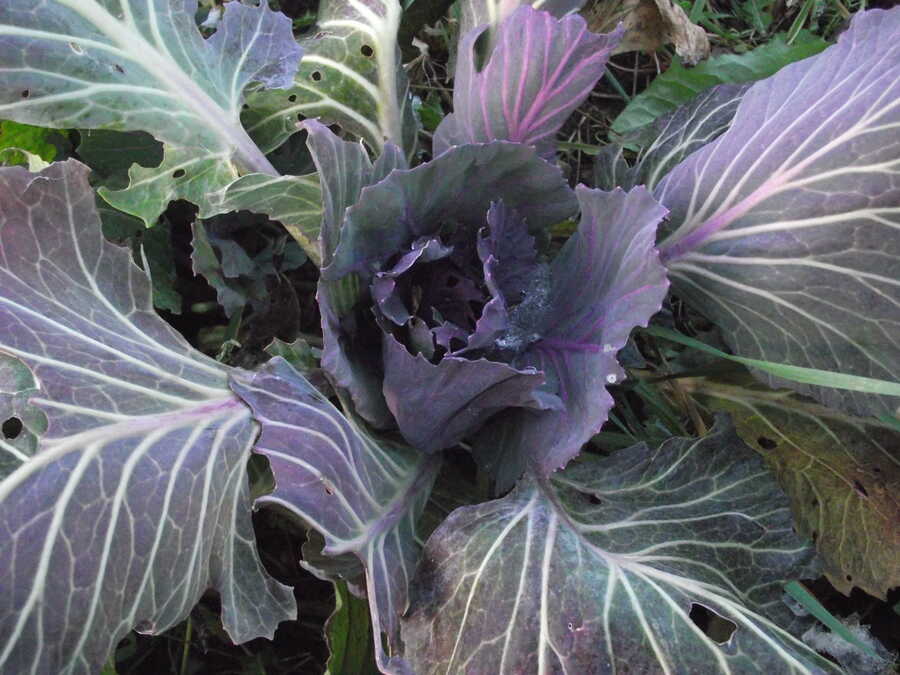
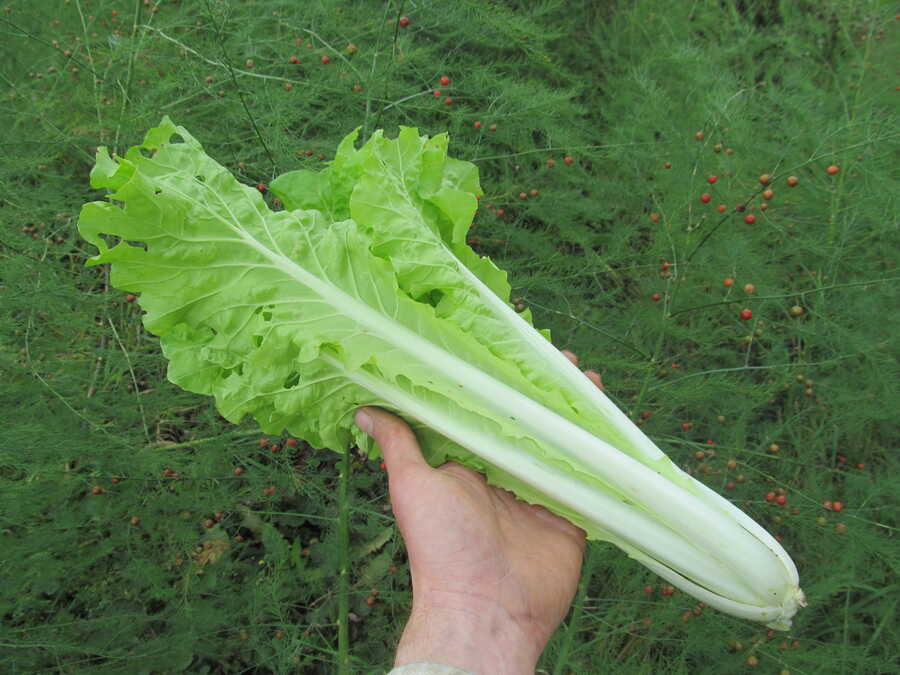
Also called Càil Cataibh in Gaelic. A flatleafed green kale from northern Scotland. “Sutherland” is a historical county named in the era of Norse rule when the Earl of Orkney considered it “southern land” (Suðrland) – compared to the rest of his holdings in Orkney and Caithness! From the perspective of the rest of us, it’s about as far north as you can go. Multiple growing points and good cold hardiness make this a kale one can well imagine finding a foothold in those rocky, frigid lands.
It carries an honourable pedigree:. As they tell the story, Real Seeds in Wales received it in 2003 from Vicky Schilling of Ullapool with a note: “I am sending you some seed of Sutherland Kale given me by an 80yr old in Sutherland, its an old variety grown by the crofters. We grew it last season and its lovely, very tender green leaves on plants that grow waist high – need staking! Cooks just like spinach and lasts through the hungry gap.” In 2007 she sent more information: “The old lady the Kale came from is Elizabeth Woolcombe, of West Drummie in Sutherland. She is in fact 93, and her daughter has remembered where they got the Sutherland Kale from. It was given to them by Angus Simmonds about 50 years ago, he was doing research on Kales at Edinburgh University at the time.”
A NOTE FOR SEED SAVERS: I am not sure which species this kale is, which could be an issue if you attempt to save seed from multiple Brassicas. Some of its characteristics match being a Brassica oleracea kale, and some would make more sense if it were a Brassica napus. This is a problem with the old landraces: the ancient gardeners who grew them didn’t know our niceties about “species” and so didn’t base their seed-saving lore on that botanical knowledge. I have spent far too much time carefully studying it and consulting kindly learnéd people, and to summarize much debate, we dunno. The only way to be sure would be to do some genetic testing, which is beyond my limited means; if anyone wants to sponsor it, donors would be welcome… But in their absence, treat it as doubtful, but probably B. oleracea.
Biennial. Start indoors or sow in early spring, 3/8” deep, 3/8” apart in rows 18” apart; thin or transplant to 18″ apart in the row. If transplanting, burying to the bottom of the first leaves’ stems. Mulch close up around stem and toss hay lightly over crown to protect for winter use.