


Capucijner pea
$4.00
(Pisum sativum)
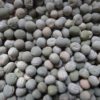
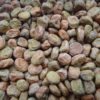
Capicijner – 5’/1.6 m tall. Our most ornamental pea, and a staple in our family cuisine as a dry pea. Pink flowers are followed by distinctive purple pods, for which reason they are sometimes called Kapucijner Blauwschokker, the Blue-Podded Capucijner, in their native Dutch. Dry seeds are large, wrinkled, and olive-green. They hold their shape when cooked, tasting and appearing rather like chickpeas (but they’re much easier to grow!). Originally from the Netherlands, they are named for the Capuchins, one of the Franciscan orders of monks. One story of their origin is that they were developed by the monks, but there are other possibilities. “Grey” peas like these were a dietary mainstay of the poor across northern Europe for centuries. The Franciscans were noted for their solidarity with and care for the poor, so the association of this pea with them may also be due to that history. As I learn more about peas, I have found at least three other distinctly different varieties associated with the Order, which makes this explanation seem more likely.
In stock
Plant as soon as ground can be worked. Sow 1” deep and 2” apart, in a double row 8” wide (if gardening in rows) or in rows every 8″ (if planting a field). Trellis if necessary with twine or netting. Harvest dry peas when pods and vines are turning brown and dry and seeds can no longer be dented with a fingernail.